

Can mini guts save tiny lives?
5th December 2025
New models of the early infant microbiome are helping improve outcomes for preterm babies, writes Christopher Stewart
Having a baby is a joyful but challenging time. Most expecting parents begin preparing the nursery in the third trimester, which starts at week 28 of gestation, allowing around three months to prepare for the baby’s arrival. Imagine finding out in the second trimester, between 22 and 28 weeks of gestation, that your baby needs to be delivered for their safety, or for the safety of their mother. This extreme preterm birth is the reality for more than 3,000 families each year in the UK, with around 5,500 more babies born very preterm at 28–32 weeks of gestation.
The intensive care required during these infants’ first few months of life typically involves being incubated and receiving antibiotics. There are also complex nutritional challenges involved in providing macronutrients for growth without overloading their delicate intestines. Extremely and very preterm infants are more likely to be born by caesarean delivery and less likely to receive an exclusive mother’s-own-milk (MOM) diet. All these factors substantially perturb the initial colonisation and subsequent development of the infant microbiome.
Despite huge advances in the care of preterm infants, they remain at high risk of developing several diseases, such as necrotising enterocolitis (NEC), one of the leading causes of death across all of childhood. It almost always occurs in preterm infants and is primarily a disease of prematurity, where the immature immune system and underdeveloped intestinal anatomy result in exaggerated inflammation that cascades to necrosis of the bowel. In the most severe cases the affected region of the bowel must be surgically removed.
MOM and the microbiome
Colonisation by microbes begins at birth and develops rapidly over the first few years of life. The infant gut microbiome is important for both short- and long-term health. Over the first year of life, receipt of MOM is the main driver of the gut microbiome. MOM has important nutrients for infants’ physical and neurological development, and contains a plethora of bioactive components, some of which exist solely to support healthy microbiome development. One example is human milk oligosaccharides (HMOs), abundant complex sugars that cannot be digested by humans and therefore reach the intestine where they can be digested by bacteria. The bacteria that can use HMOs, such as Bifidobacterium, are generally regarded as beneficial.
Reducing risks
So what can we do to reduce the risk of NEC? Preventing preterm births would eliminate over 99% of NEC cases, but we are facing the opposite situation: the number of babies surviving extreme preterm birth is increasing. Receiving MOM is the most important protective factor against NEC, so lactation consultants and other support mechanisms that help new mothers express their breast milk are also vital.
Beyond that, there are opportunities to improve outcomes by understanding which critical components of MOM help protect infants from diseases such as NEC. For example, research has shown that MOM low in the HMO disialyllacto-N-tetraose (DSLNT) can predict the risk of NEC with high accuracy, so screening DSLNT in MOM may help with risk stratification, allowing for closer monitoring and earlier clinical intervention.
Equally, supplementing the infant diet with compounds such as DSLNT may reduce disease risk. Once this compound can be produced in sufficient quantities it is likely to enter clinical trials. Finally, as donor breast milk is increasingly used to replace bovine formula for preterm infants, it would be feasible to screen this for DSLNT and give milk with the highest levels to the most preterm infants.
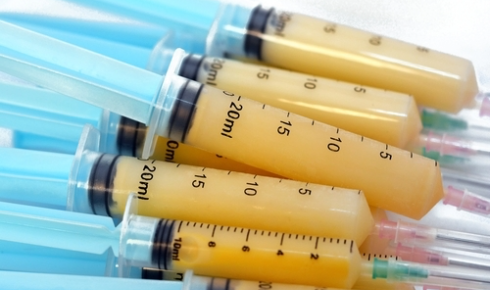 DSLNT, a compound found in breast milk associated with reduced risk of gut disease, is likely to enter clinical trials once it can be produced in sufficient quantities, writes Professor Stewart
Research into infant development, especially the infant gut microbiome, is also vital. Live biotherapeutics products (LBPs, also known as probiotics) are used in most extremely preterm infants in the UK. This involves supplementing infant feeds with live bacteria thought to be beneficial, primarily Bifidobacterium. While this intervention appears to reduce NEC and mortality, there have been cases of fatal sepsis, with the probiotic isolate detected in the blood. There are also questions around the optimal strains and doses to use for a given baby at a given time. While the mechanisms remain uncertain, most evidence supports the idea that precision LBP therapy holds great promise. Advancing the safety aspects further, such as using microbial natural products instead of live microbes, remains an important avenue for research.
The organoid approach
NEC causes a similar number of deaths per year as childhood cancer, yet there is a huge disparity in the funding invested in researching each disease. This relates to a lack of charitable donations, but government and industrial funding are also lacking. Research in preterm infants faces additional challenges due to the limited relevance of in vivo models. To address this, my group has been at the forefront of developing new human-based models for investigating diet-microbe-host interaction.
We now have the ability to take patient tissue that would otherwise be discarded and use it to grow intestinal ‘enteroids’. These can grow into ‘mini guts’ in the laboratory and can differentiate into all the major cell types of the intestine. They secrete mucin like living tissue and respond to viral or bacterial infection. The tissue is derived from patients with disease, and so retains its genetic, epigenetic and exposure history, making these organoids far superior to animal models.
With collaborators at Baylor College of Medicine (Houston, US), we have developed a powerful system that mimics the conditions of the gastrointestinal tract and allows bacteria and patient-derived enteroids to interact directly. We can then test how the addition of specific bacteria influences the health or disease status of the cells. This work enables us to investigate microbial-host cross-talk and can lead to a mechanistic understanding of disease processes, which can be translated directly into clinical care.
This could be a game-changer in understanding the mechanisms by which, for example, DSLNT and Bifidobacterium LBP therapy can improve infant health. Elucidating such a detailed understanding will be critical to enabling precision medicine for the growing number of vulnerable infants entering the world in the years to come.
Christopher Stewart is professor of human microbiome research at Newcastle University. He was awarded the Life Sciences Laureate 2025 at the 2025 Blavatnik Awards for his work on microbiome-based therapies to prevent infant mortality.